
 DE
DE  EN
EN  FR
FR  RU
RU  ES
ES  AR
AR  JA
JA For furniture brands, wholesalers, and hardware distributors, a small hinge determines the lifespan of a cabinet door and the overall user experience. But have you ever wondered how these precision components travel from a raw steel coil to a finished product ready for the global market?
Understanding the manufacturing process not only helps you evaluate a supplier’s technical strength but also ensures you select the most durable hardware for your projects. Today, Huiso Hardware takes you behind the scenes of a modern hinge production line.
Engineering & Mold Design
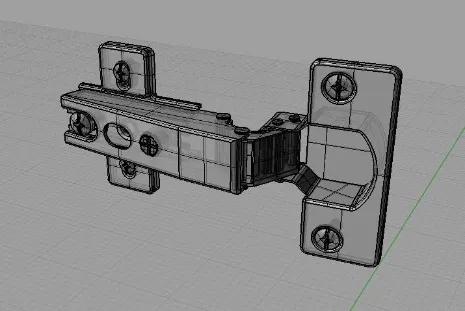
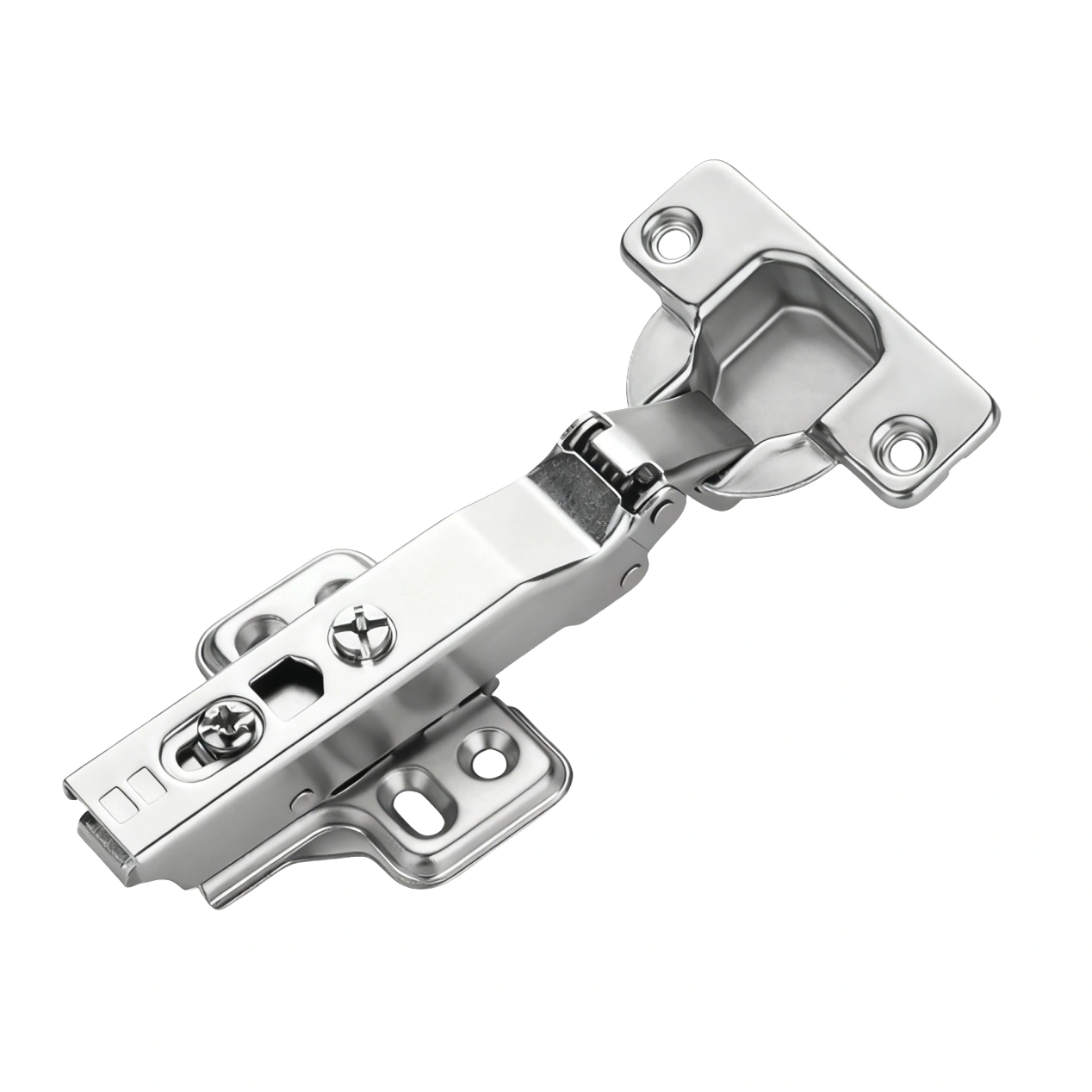
Everything begins with precision engineering. Designers use 3D modeling to define opening angles (such as 110° or 165°) and functional features like soft-close hydraulics.
- The Power of Molds: The accuracy of a hinge depends on the mold. High-quality manufacturers use Progressive Dies, which allow multiple operations (cutting, punching, bending) to happen in one continuous strip, ensuring high consistency across millions of units.
Material Selection
Durability starts with the substrate.
- Cold-Rolled Steel: The most common material, offering high hardness and a smooth surface.
- Stainless Steel: Used for premium lines or high-humidity environments (kitchens/bathrooms) to provide superior rust resistance.
- Hydraulic Components: For soft-close hinges, the quality of the cylinder, seals, and damping oil determines how long the “silent” effect will last.
Stamping & Forming
This is the core of the factory. Heavy-duty press machines feed steel coils through the progressive dies.
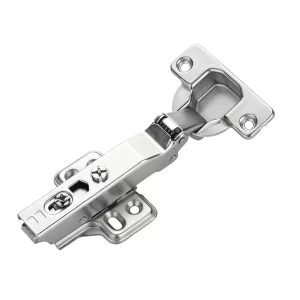
- The Hinge Cup & Arm: These parts are stamped separately. Every fold and stress point is calculated to withstand tens of thousands of opening and closing cycles without deforming.
Surface Treatment (Plating)
To prevent corrosion and add aesthetic appeal, the stamped parts undergo an electroplating process.
- Nickel Plating: Provides a metallic shine and basic rust protection.
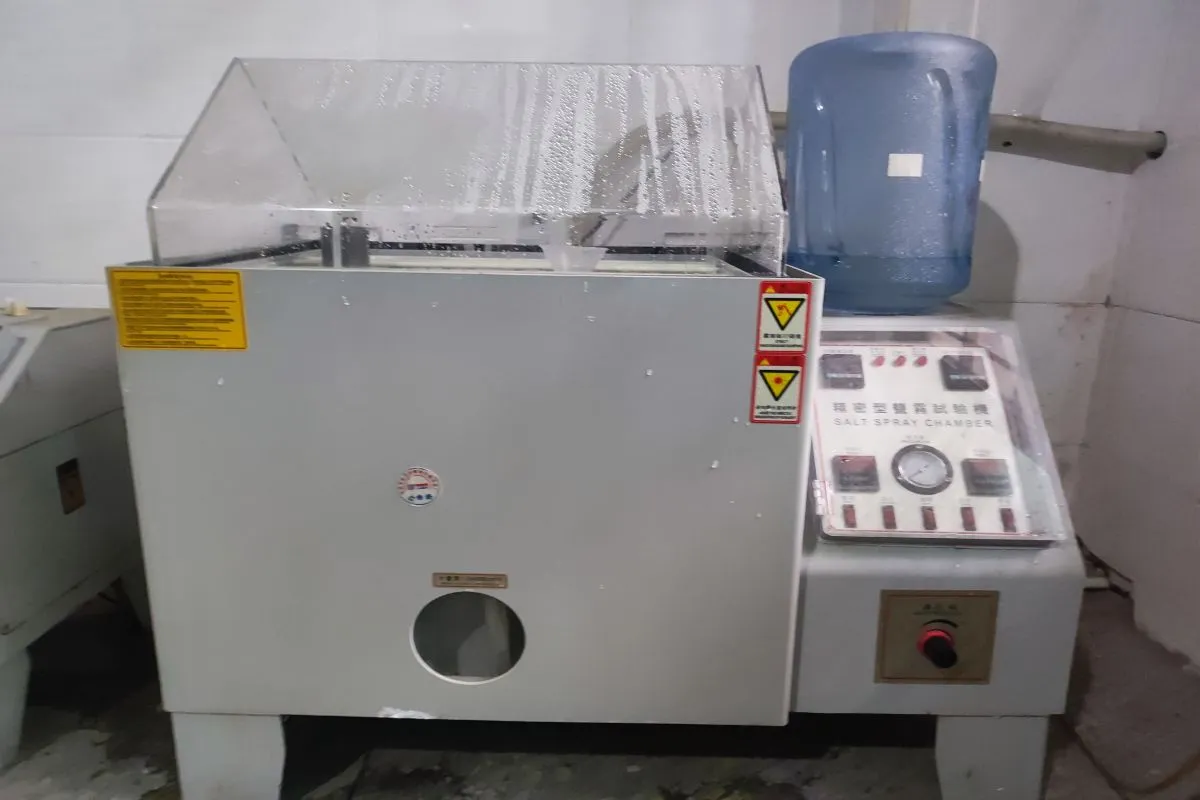
- Salt Spray Testing: This is a critical QC step. Premium hinges must pass a 48-hour or even 72-hour salt spray test to ensure they won’t rust in coastal or humid climates.
Automated Assembly
Modern hinge production has moved away from manual labor. Automated assembly lines integrate the springs, rivets, hydraulic cylinders, and the hinge body with extreme precision.
- Riveting: The tightness of the rivets determines if the hinge will become loose or wobbly over time. Automation ensures every rivet is applied with the same force.
Rigorous Quality Control
Before the hinges are boxed, they must pass several tests:
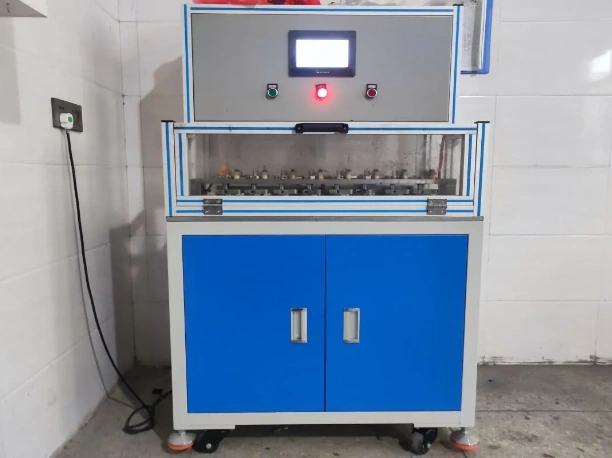
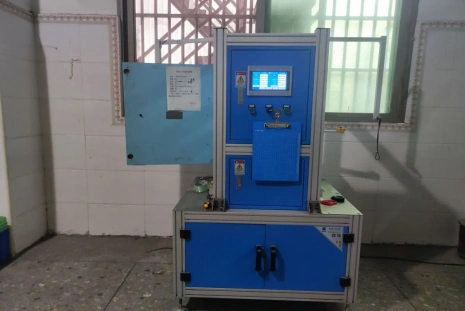
- Cycle Testing: Simulating 50,000 to 100,000 opening/closing cycles to ensure mechanical integrity.
- Damping Speed: Checking that the soft-close mechanism provides a smooth, silent close every single time.
About Huiso Hardware
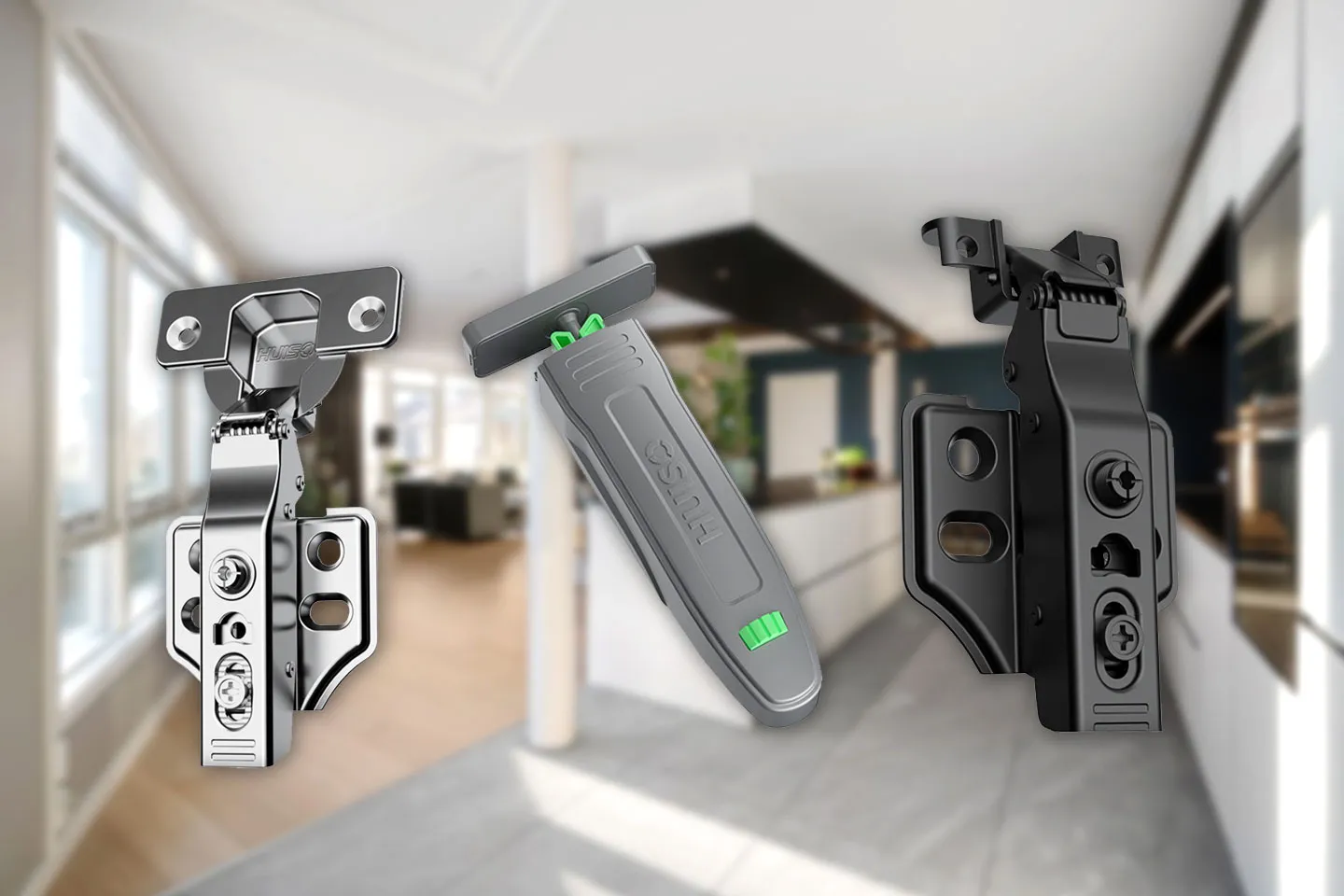
Huiso Hardware is a professional manufacturer specializing in furniture hinges and drawer slides, offering customized wholesale solutions for global furniture brands. With a strong focus on quality, precision, and innovation, Huiso Hardware supports modern furniture manufacturers with reliable components designed for performance, durability, and flexibility.
From standard applications to custom requirements, Huiso Hardware helps partners create smarter and more competitive furniture solutions for evolving markets.