
 DE
DE  EN
EN  FR
FR  RU
RU  ES
ES  AR
AR  JA
JA Introduction
The global furniture industry is undergoing a major transformation as smart living concepts, space efficiency, and modern aesthetics redefine how furniture is designed and used. Homes are no longer just static living spaces; they are becoming intelligent environments where functionality, comfort, and technology are deeply integrated. In this evolution, furniture components are no longer hidden supporting parts but key contributors to user experience, durability, and perceived value. This shift places growing importance on furniture hardware as a core element of modern furniture design.
In 2026, smart and modern furniture is driven by changing lifestyles, urbanization, and higher consumer expectations. Buyers want furniture that is quiet, smooth, durable, space-saving, and compatible with smart home systems. Whether it is a soft-close kitchen cabinet, a silent drawer system, or a modular wardrobe, the performance of internal components directly affects satisfaction and brand reputation. As a result, manufacturers are paying closer attention to innovation in hardware selection and customization.
This article explores the key trends and innovations shaping furniture hardware in 2026. From smart functionality and minimalist design to sustainability and customization, we will analyze how these developments influence furniture manufacturing and purchasing decisions. For brands, designers, and wholesalers, understanding these trends is essential to staying competitive in a fast-evolving market.
Smart integration and intelligent functionality
One of the most significant trends in furniture design for 2026 is the integration of smart features directly into structural components. Furniture is increasingly expected to interact seamlessly with smart home systems, and hardware plays a critical role in making this possible. Soft-close mechanisms are now evolving into sensor-assisted systems that respond to motion, pressure, or voice commands, enhancing convenience and safety.
For example, smart drawer slides equipped with sensors can automatically open or close with a light touch, making them ideal for kitchens, offices, and healthcare environments. Some systems are designed to integrate with central smart home controls, allowing users to manage cabinets and storage units remotely. Industry data shows that smart furniture adoption is growing at double-digit rates annually, particularly in urban apartments and high-end residential projects.
Manufacturers must ensure that smart hardware solutions remain reliable and easy to maintain. Durability testing, load capacity validation, and long-cycle performance are essential, especially when electronic components are involved. Choosing modular designs allows for easier upgrades and repairs, reducing long-term costs for furniture brands and end users alike.
Minimalist design and concealed solutions
Modern furniture design in 2026 continues to emphasize clean lines, seamless surfaces, and minimalist aesthetics. Consumers increasingly prefer furniture that looks simple on the outside while offering advanced functionality on the inside. This has driven strong demand for concealed and integrated hardware solutions that remain invisible during use.
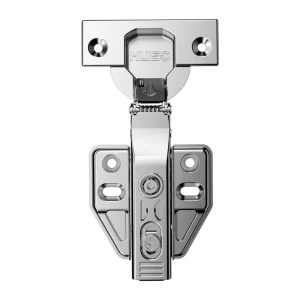
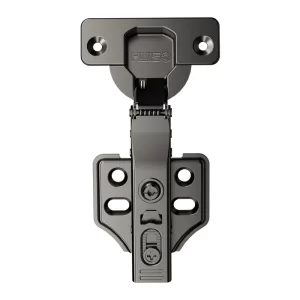
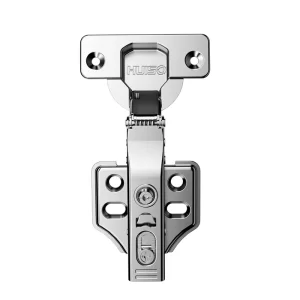
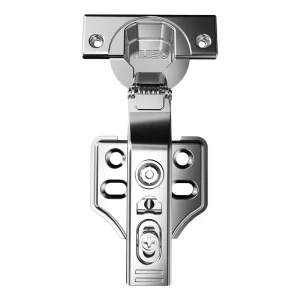
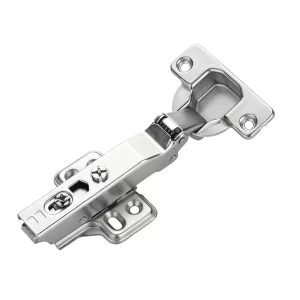
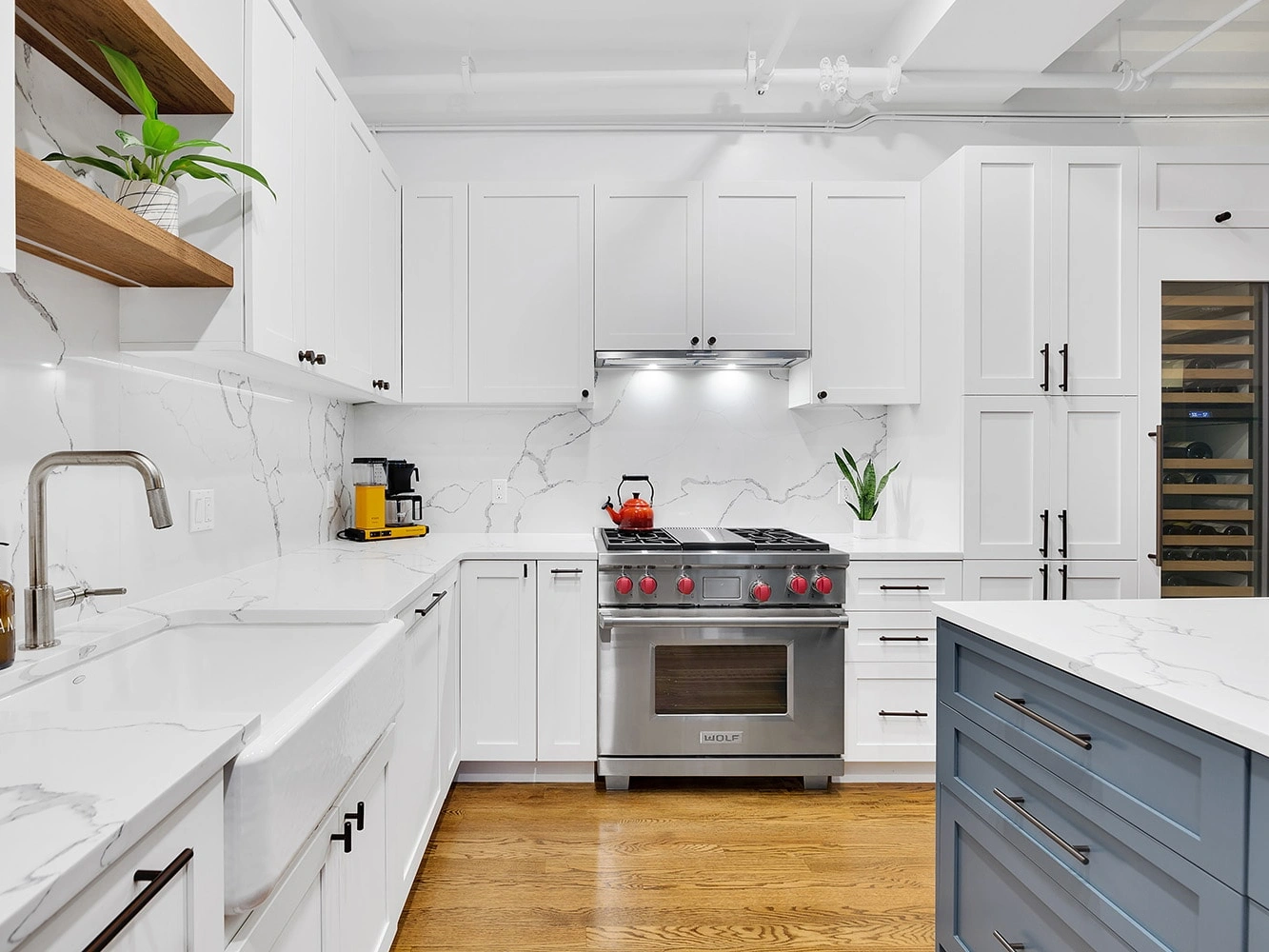
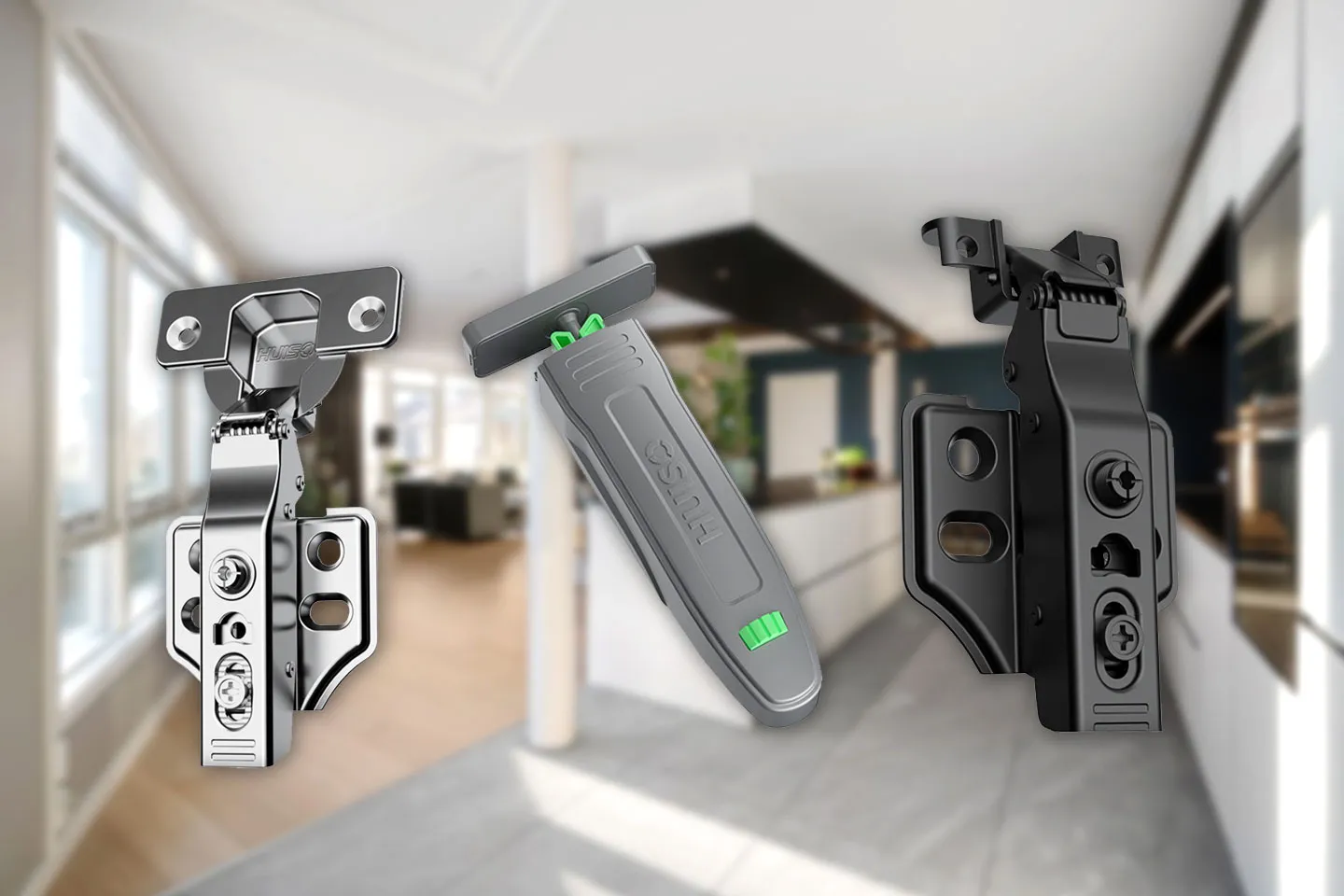
Concealed hinges, hidden drawer slides, and integrated lift systems allow designers to maintain a sleek appearance without sacrificing performance. These solutions are especially popular in modern kitchens, wardrobes, and office furniture, where visual simplicity is associated with premium quality. Studies in consumer behavior indicate that minimal visual clutter increases perceived value and user satisfaction.
However, concealed systems require high precision in manufacturing and installation. Even small deviations can affect alignment, smoothness, and lifespan. Furniture manufacturers should prioritize hardware suppliers that offer consistent tolerances, clear installation guidelines, and technical support. In modern furniture, high-quality concealed hardware is not just a design choice but a functional necessity.
Quiet performance and enhanced user experience
Noise reduction has become a key benchmark for furniture quality. In modern living environments, especially smaller homes and shared spaces, quiet operation significantly enhances comfort. In 2026, consumers expect drawers and cabinets to operate smoothly and silently, regardless of size or load.
Advanced damping systems in hinges and slides are now engineered to perform consistently over tens of thousands of cycles. Testing data from large-scale furniture manufacturers shows that quiet-close systems can reduce noise levels by over 60% compared to traditional mechanisms. This improvement directly influences customer satisfaction and reduces complaints related to daily use.
To achieve this performance, manufacturers focus on precision engineering, material selection, and surface treatment. High-quality steel, optimized ball-bearing structures, and controlled lubrication all contribute to smoother motion. For furniture brands, investing in reliable hardware solutions helps differentiate products in competitive markets and supports long-term brand loyalty.
Sustainability and durability as purchasing priorities
Sustainability is no longer a niche concern; it is a core purchasing factor in the furniture industry. In 2026, buyers increasingly evaluate furniture not only by appearance and price but also by environmental impact and lifespan. Durable hardware plays a crucial role in reducing waste and extending product life.
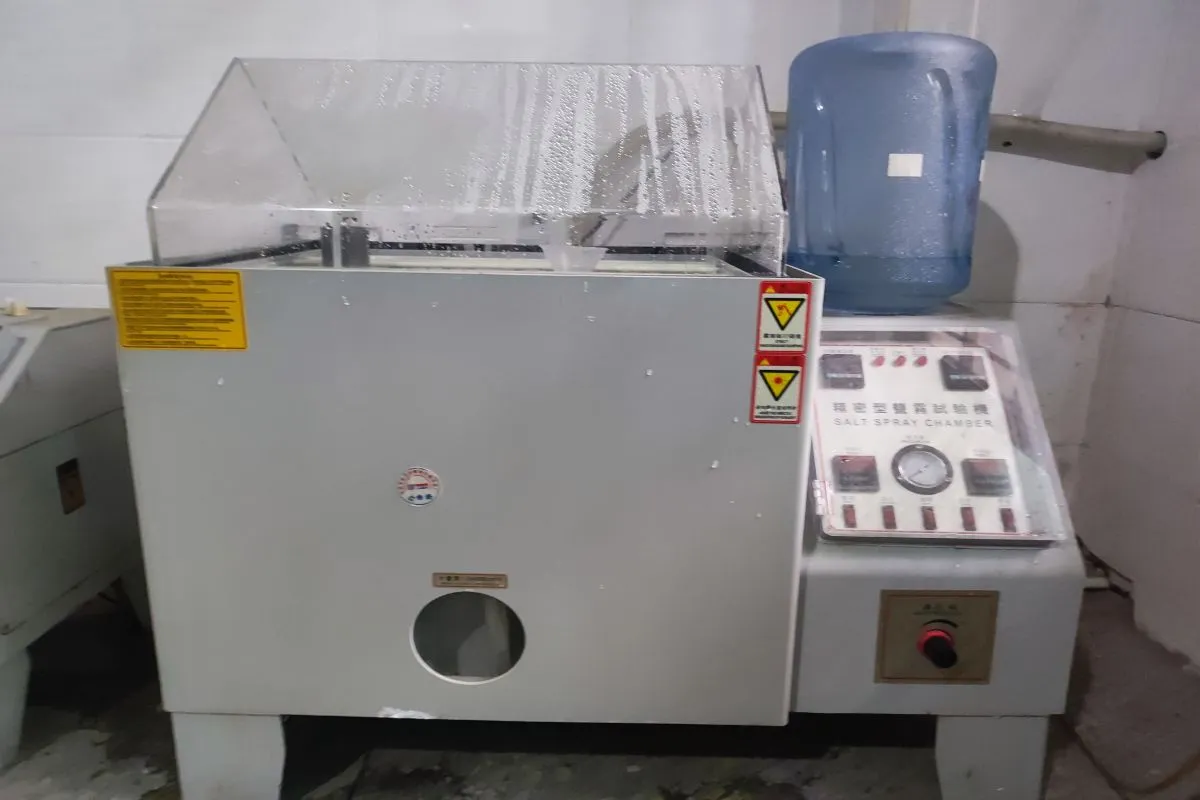
Long-lasting components reduce the need for replacement, repairs, and disposal. Many manufacturers now prioritize corrosion-resistant finishes, high-cycle testing, and recyclable materials. According to industry sustainability reports, extending furniture lifespan by just a few years can significantly lower its overall carbon footprint.
At the same time, regulatory pressure is increasing in many markets. Compliance with environmental standards, material safety requirements, and quality certifications is becoming essential for global trade. Choosing reliable hardware suppliers who understand these regulations helps furniture brands meet sustainability goals without compromising performance.
Customization and flexibility for diverse markets
Customization remains one of the strongest drivers in modern furniture manufacturing. Different markets, usage scenarios, and design concepts require different performance specifications. In 2026, flexible hardware solutions that support customization are essential for brands serving multiple regions or customer segments.
Customization can include load capacity adjustments, opening angles, finish options, and soft-close strength. For example, commercial office furniture may require higher load ratings, while residential furniture may prioritize smoothness and aesthetics. Modular hardware systems allow manufacturers to adapt quickly without redesigning entire products.
Data from OEM furniture suppliers shows that customizable hardware solutions can reduce development time and improve production efficiency. By working with manufacturers who offer flexible wholesale and customization services, furniture brands can respond faster to market trends and client demands.
Conclusion
As furniture continues to evolve toward smarter, more efficient, and more sustainable solutions, hardware innovation becomes a defining factor in product success. In 2026, trends such as smart integration, minimalist design, quiet performance, sustainability, and customization are shaping how furniture is designed, manufactured, and experienced.
For furniture brands and manufacturers, selecting the right hardware is not just a technical decision but a strategic one. High-quality components improve usability, extend product life, and strengthen brand positioning. At the same time, reliable suppliers help navigate changing market demands and regulatory environments.
By staying informed about industry trends and investing in innovative hardware solutions, furniture businesses can remain competitive and future-ready. In an increasingly demanding market, attention to detail at the component level makes a measurable difference.
About Huiso Hardware
Huiso Hardware is a professional manufacturer specializing in furniture hinges and drawer slides, offering customized wholesale solutions for global furniture brands. With a strong focus on quality, precision, and innovation, Huiso Hardware supports modern furniture manufacturers with reliable components designed for performance, durability, and flexibility. From standard applications to custom requirements, Huiso Hardware helps partners create smarter and more competitive furniture solutions for evolving markets.


Related Products
-

Langsam schließende Scharniere für Schüttgutschränke Nullwinkel-Wassertauchscharnier-H01
-
Bulk-Möbelscharniere Positionierung Titan Zweistufenscharnier-HT1
-
Bulk Hydraulic Cabinet Scharniere Selbstschließende Scharniere für Küche oder Bad-HB1
-
Bulk Silent Close Scharniere für Möbel Dreistufige Kraft -HT5