
 EN
EN  FR
FR  DE
DE  RU
RU  ES
ES  AR
AR  JA
JA Transitioning a custom hardware concept from 3D CAD drawings to full-scale mass production is a pivotal phase in custom cabinet hardware manufacturing. While initial prototypes may look flawless in a testing lab, unexpected challenges during the tooling, stamping, and assembly stages can quickly lead to budget overruns, fitting tolerance errors, and shipping delays.
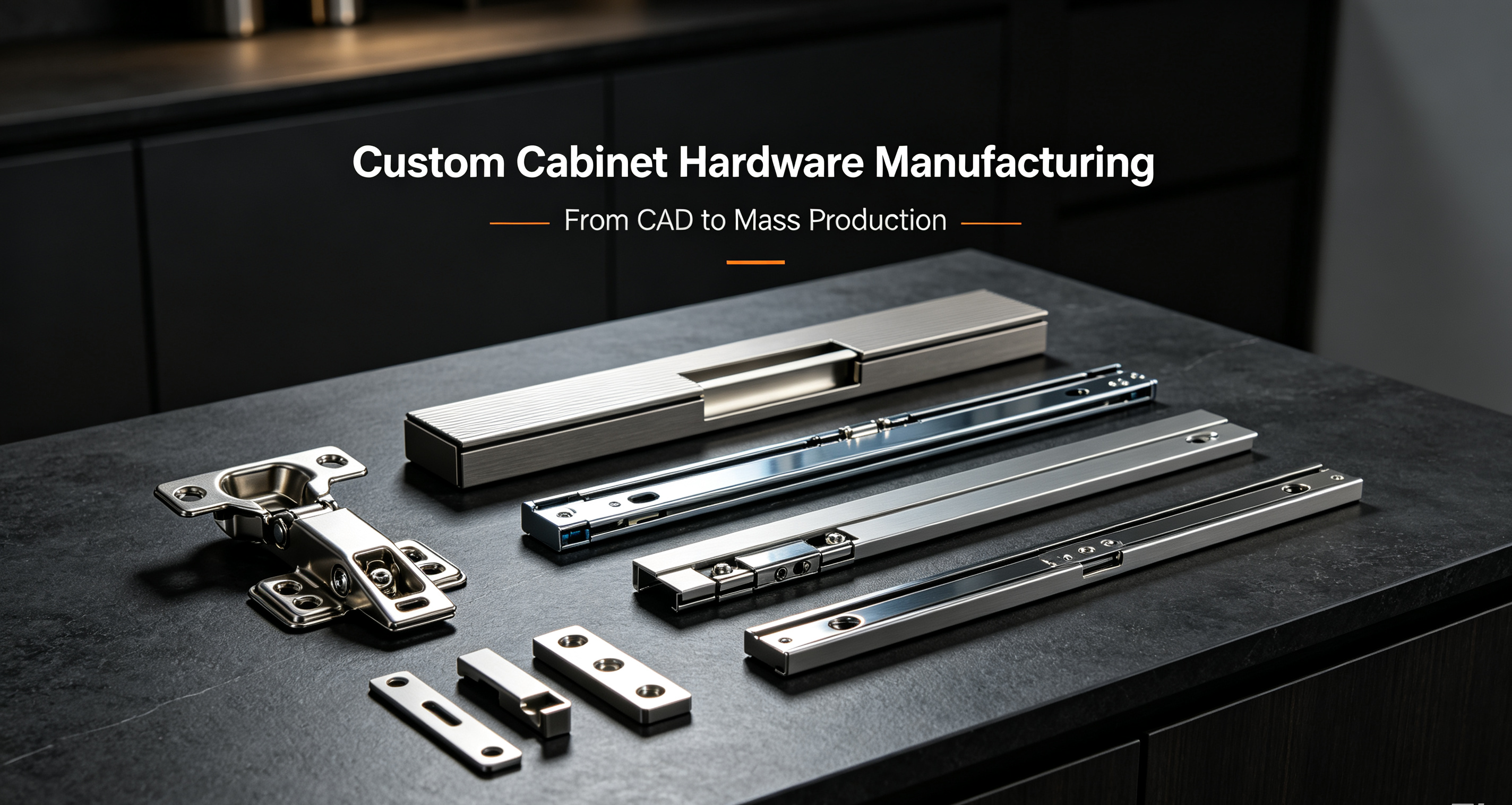
For furniture brands, OEM project managers, and hardware distributors, navigating these production risks requires a deep understanding of mold engineering and quality control.
In this guide, we break down the 5 most critical pitfalls in custom cabinet hardware manufacturing and reveal how smart procurement teams ensure flawless quality from initial sample to container shipment.
Introduction: The Complexity of Custom Hardware Sourcing
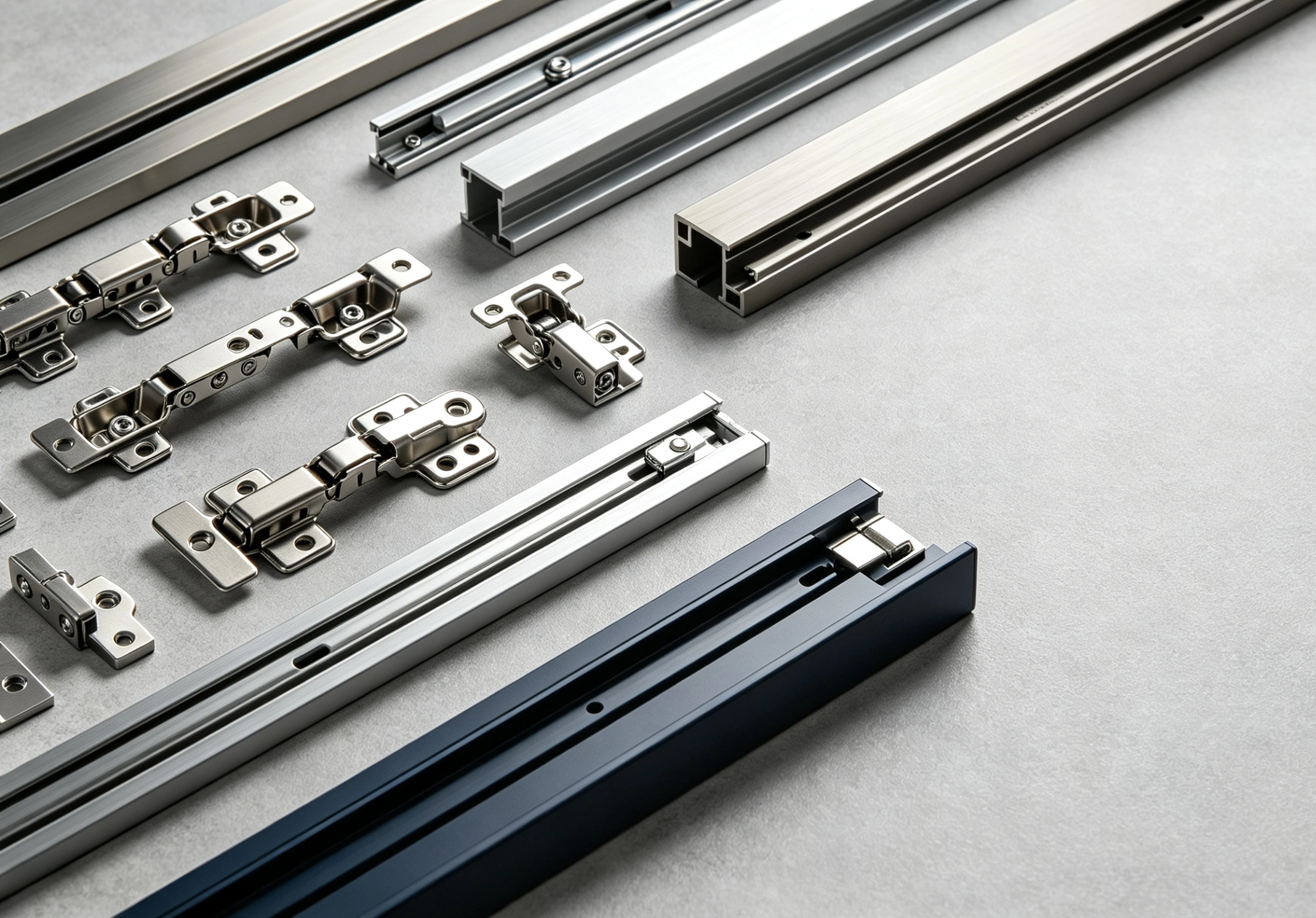
In the competitive world of modern cabinetry, off-the-shelf hinges and drawer slides don’t always fit unique architectural specifications or brand designs. Custom manufacturing allows companies to build proprietary hardware solutions with exact load capacities, specialized dimensions, and unique aesthetic finishes.
However, custom cabinet hardware manufacturing is not simply about placing a bulk purchase order—it is an intricate engineering process that relies heavily on precise mold making, material selection, and rigorous quality testing.
The Core Challenge: The Gap Between Prototyping and Mass Production
One of the biggest frustrations in B2B hardware sourcing occurs when a handmade prototype passes all initial checks, but the first mass-production batch suffers from assembly defects or erratic performance.
This disconnect typically happens when suppliers overlook critical manufacturability factors during the tooling phase:
- Metal Spring-Back Variations: Ignoring spring-back rates during high-speed stamping.
- Plating Thickness Accumulation: Failing to account for electroplating layer build-up in tight mechanical joints.
- Subpar Mold Maintenance: Using soft mold steel that degrades after a few production runs, leading to dimensional drift.
5 Pitfalls to Avoid in Custom Hardware Manufacturing
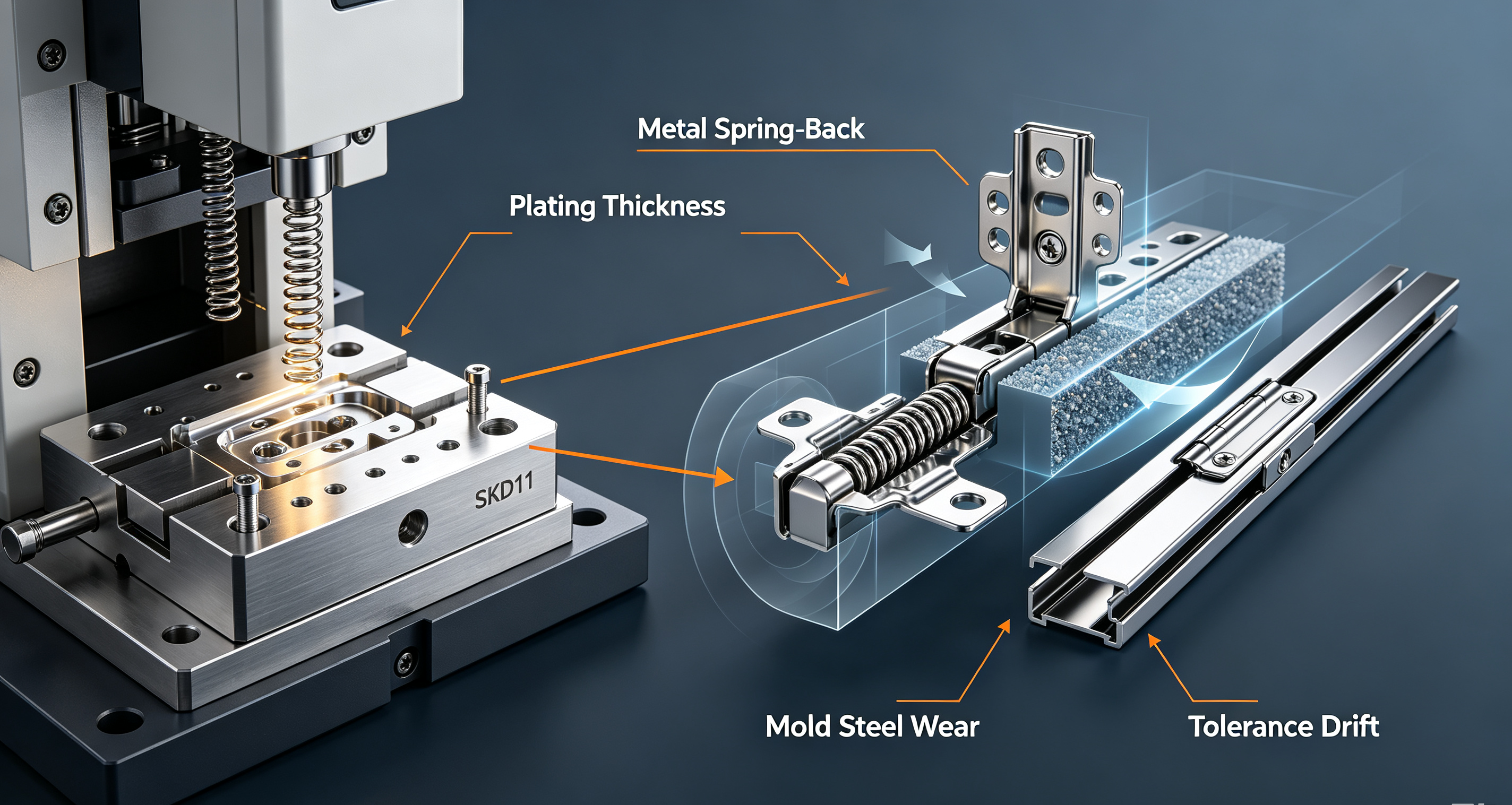
To safeguard your procurement budget and brand reputation, keep these 5 critical manufacturing pitfalls in mind when selecting your OEM partner:
Custom Manufacturing Evaluation Checklist
- DFM Engineering Review: Always request a formal Design for Manufacturability review before steel is cut.
- Mold Steel Grade: Ensure SKD11 or H13 hardened steel is specified for long mold life.
- Tolerance Reservation: Reserve 5–15 microns in mold dimensions for electroplating layers.
Pitfall 1: Ignoring Metal Rebound & Surface Plating Tolerances
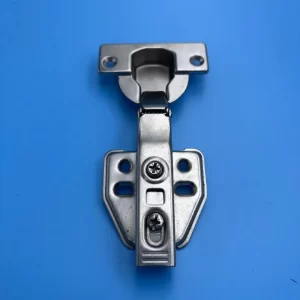
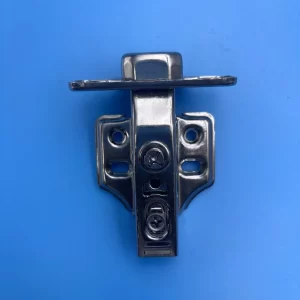
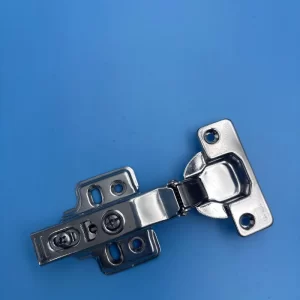
Cold-rolled steel and stainless steel exhibit elastic memory after stamping. Additionally, protective surface treatments like nickel or chrome electroplating add 5 to 15 microns of thickness. If your supplier fails to factor these tolerances into the initial die design, hinges and concealed slides will bind or jam during final assembly.
Pitfall 2: Compromising on Mold Steel Quality
Lowering initial tooling investments by choosing soft, low-grade mold steel is a costly mistake. Soft steel wears out rapidly under continuous pressure, causing the dimensional tolerance of your custom hardware to drift over time. High-end custom cabinet hardware manufacturing utilizes hardened steel alloys (such as SKD11) to guarantee mold lifespans exceeding 500,000 to 1,000,000 cycles.
Pitfall 3: Skipping DFM (Design for Manufacturability) Analysis
Proceeding directly to tooling production without a formal DFM review often results in expensive mold modifications later. A thorough DFM analysis evaluates wall thickness uniformity, stress distribution, and ejection pin positioning to optimize high-volume automated production.
Pitfall 4: Relying Solely on Zero-Load Samples
A pristine prototype evaluated under zero-load conditions provides very little insight into real-world durability. Production-line samples must undergo harsh dynamic load testing, 50,000+ cycle fatigue testing, and 48–72 hour neutral salt spray testing before approving the mold for full-scale production.
Pitfall 5: Failing to Secure Tooling Ownership & Intellectual Property
When investing in custom hardware tooling, ensure clear contract terms regarding mold ownership, design copyright protection, and dedicated factory maintenance schedules.
B2B Sourcing & Quality Control Checklist
When auditing a potential OEM/ODM factory for your custom hardware project, evaluate their capabilities against this checklist:
- 3D CMM Inspection: Verify that the factory utilizes Coordinate Measuring Machines to audit mold dimensions and first-article samples.
- Integrated Production Capability: Partner with a vendor that manages tooling development, precision stamping, plating, and automated assembly under one unified quality system.
- Preventative Mold Maintenance: Confirm that your manufacturing partner performs scheduled maintenance on custom dies between production cycles.
FAQ
Q1: How long does the custom cabinet hardware manufacturing process take from CAD to finished samples?
Typically, the process takes 30 to 45 days. This includes 3D CAD optimization, DFM review, CNC mold machining, T1 sample stamping, surface plating, and initial laboratory testing.
Q2: How can I protect my custom hardware design IP when manufacturing overseas?
Ensure you work with a trusted factory that signs a binding Non-Disclosure Agreement (NDA) and explicitly grants you full tooling ownership rights, preventing your custom molds from being used for other clients.
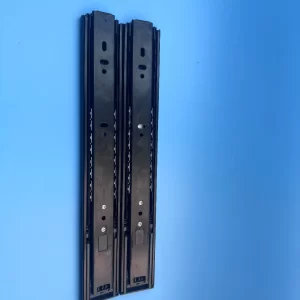
Q3: Why is 3D adjustment critical for custom undermount drawer slides and hinges?
Custom cabinet designs often feature unique panel thicknesses and tight gap tolerances. Integrated 3D adjustments (height, depth, and side-to-side) allow installation crews to align cabinet fronts perfectly on-site without modifying the cabinetry.
Conclusion
Successfully executing a custom cabinet hardware manufacturing project requires bridging the gap between innovative design and rigorous engineering execution. By choosing a qualified manufacturing partner that prioritizes precise tolerance control, hardened mold steel, and comprehensive stress testing, furniture brands can avoid costly production traps and field failures.
Ultimately, investing in proper DFM engineering and quality control upfront protects your supply chain and minimizes total cost of ownership (TCO). B2B procurement teams that enforce strict manufacturing standards will build reliable, scalable custom hardware lines that enhance brand value.
About Huiso Hardware
At Huiso Hardware, we deliver end-to-end custom cabinet hardware manufacturing solutions tailored to global furniture brands and distributors. Driven by advanced in-house CNC tooling capabilities, rigorous 100% factory quality inspections and export packaging optimized for CBM container efficiency, we help you launch reliable custom hardware lines smoothly and cost-effectively.Contact our engineering team today to get a factory-direct quotation.